© Certified Rehabs
© Certified Rehabs


A Mission Rooted in Community and Compassion Palmer – Tulsa approaches addiction treatment with the belief that substance use disorders are complex conditions influenced by numerous factors—including trauma, family dynamics, socioeconomic challenges, and co-occurring mental health concerns. Rather than treating addiction as a moral failing, Palmer’s programs are grounded in evidence-based practice and a trauma-informed framework that prioritizes safety, trust, and client empowerment. Because many of the individuals and families served face obstacles such as homelessness, poverty, lack of insurance, or childcare responsibilities, Palmer intentionally designs its services to be accessible and equitable. Their open door policy ensures that teens, adults, and families can access care regardless of financial means, helping reduce barriers that prevent so many from entering treatment. Comprehensive Continuum of Care for All Ages and Needs Palmer provides a full spectrum of addiction treatment options, allowing clients to receive the right level of support based on their unique situation. These services include: Outpatient Counseling Services Palmer’s outpatient programs serve both adolescents (ages 7 and up) and adults, offering flexible, ongoing treatment that supports recovery while clients live at home or attend school. Services include individualized assessments, drug and alcohol screenings, individual counseling, group therapy, and family counseling. Scheduling options in the mornings, afternoons, and evenings make it easier for clients and families to participate without disrupting everyday commitments. School-Based Programs Recognizing that early intervention can be pivotal, Palmer partners with several local school districts to provide education, prevention, and counseling services directly to students. These school-based services help identify substance use or behavioral concerns early and connect young people with the support they need before patterns escalate. Women & Children’s Residential Treatment (TWCC) One of Palmer’s most distinctive offerings is the Tulsa Women and Children’s Center (TWCC), a 52-bed residential treatment program specifically designed for women and parenting mothers. Unlike many traditional programs, TWCC allows women to bring their children (up to age 12) into treatment with them, ensuring that recovery can begin without separating families—an approach that can significantly reduce trauma and support long-term healing. At TWCC, women receive intensive, trauma-informed care that includes individual therapy, group sessions, parenting education, mental health counseling, medical and psychiatric services, trauma therapy, and case management. Children in the program also receive developmental support, early childhood education, and socially engaging activities tailored to their needs. Therapeutic Philosophy and Treatment Approaches Palmer’s clinical model blends evidence-based therapies with holistic, culturally responsive practices to address both the symptoms of addiction and the underlying drivers of substance use. Counseling services emphasize building life skills, processing trauma, understanding triggers, developing healthy coping strategies, and strengthening interpersonal relationships. Individual therapy allows clients to explore personal histories and mental health concerns in a safe environment, while group therapy fosters peer support and community—the kinds of connections that often underpin long-term recovery. Family counseling helps loved ones heal together, repair communication patterns, and support sustained sobriety at home. Importantly, Palmer’s care model is rooted in cultural responsiveness, acknowledging that race, economic status, and cultural background influence both the experience of addiction and the process of healing. This sensitivity helps create treatment plans that resonate deeply with clients from diverse walks of life. Access, Equity, and Community Impact A defining feature of Palmer’s work is its dedication to reducing barriers to treatment. Many clients served by the organization have struggled to access care due to financial hardship, lack of transportation, or lack of stable housing. Palmer actively works to address these barriers through flexible scheduling, insurance navigation support, and a commitment to treating clients regardless of ability to pay. By providing integrated services—outpatient counseling, school-based support, residential care, and childcare—Palmer strengthens not just individual lives, but entire families and communities. Their emphasis on family preservation, especially through programs like TWCC, highlights Palmer’s belief that recovery is most sustainable when it heals relationships, restores stability, and empowers people with the tools to thrive beyond treatment. Addressing Co-Occurring Challenges and Holistic Needs Addiction rarely exists in isolation. Many clients have experienced mental health conditions such as anxiety, depression, trauma, or post-traumatic stress. Palmer provides integrated care that supports both substance use recovery and co-occurring mental health needs. This dual focus enhances long-term outcomes and reduces the risk of relapse by addressing the whole person. Holistic approaches such as mindfulness practices, therapeutic recreation, parenting education, and community support groups further complement clinical interventions. The aim is not just abstinence from substances, but a full, meaningful restoration of emotional well-being, self-confidence, and life purpose. A Legacy of Healing and Hope Since its founding in 1981, Palmer has served thousands of individuals and families in Tulsa and beyond, building a legacy of compassionate care, community partnership, and impactful recovery services. Today, Palmer – Tulsa continues that tradition by providing accessible, evidence-informed treatment that recognizes recovery as an ongoing journey. By supporting clients in building healthy coping skills, strengthening family bonds, and accessing community resources, Palmer empowers individuals to reclaim their lives and sustain lasting sobriety. If you or a loved one is struggling with substance use or facing the challenges of co-occurring mental health issues, Palmer – Tulsa represents a trusted, community-driven option for healing, resilience, and renewed possibility.
Certified Medical Staff 24/7 Clinical Support Structure Aftercare Support Personalized Treatment Plans Inpatient & Outpatient Treatments Effective Therapeutic Sessions Relapse Prevention Strategies
Specializations
Treatment Services
Therapies
Substance We Treat
Approaches
Aftercare
At a Glance
Accreditation
CARF , Oklahoma Department of Mental Health and Substance Abuse Services (DMHSAS) certification , National Association for the Education of Young Children (NAEYC) membership ...
Founded in
2003
Substance Use We Treat
Alcohol , Cocaine, Heroin ...
Primary Focus
This center treats addiction treatment and related conditions....
Typical Program Length
30
How to Pay

Provider's Policy: We accept insurance plans from most providers, including Blue Cross Blue Shield of Alabama, United Healthcare, Humana, Aetna, Cigna, and Veterans Community Care programs. Consult with a professional today for a free insurance verification and learn which benefits are available through your plan.
Testimonials
No reviews yet. Be the first to share your experience.
Understanding your treatment options and seeking out that perfect treatment provider can be a time-consuming task, but your work is worthwhile. Types of programs may include one or a variety of the following:
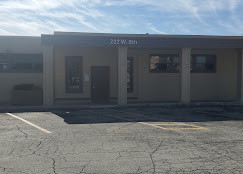
Palmer – Tulsa is located in Tulsa, ok. Their address is 222 W. 8th St.
Palmer – Tulsa specializes in treating these addictions:
Palmer – Tulsa accepts the following insurance providers:
Palmer – Tulsa provides the following treatment services:
Palmer – Tulsa offers different therapies, which include:
Yes, Palmer – Tulsa provides aftercare through Support Meeting, Outpatient Treatment, Individual Treatment.
Palmer – Tulsa offers specialized programs such as Women’s rehab program, Children’s program, Adolescent rehab program, Residential treatment for parents with children for specific needs or groups.
On The Other Hand, We Denounce With Righteous Indigna Ment.